


My Life in Cotton, Or, How I learned to Predict the Future, Guest blog post from Chris Ackiss, Posted on Monday, December 1, 2025
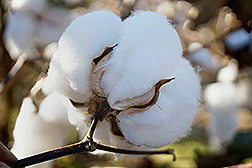
image credit: usda.gov
Back in the 1990’s my plan was to work in the tobacco business after I graduated from college. And I did find a job with a tobacco warehouse, but this work is seasonal, so when the market ended, so did my job.
My next job was in the cotton business, which as it turned out, was seasonal also.
From about September until a little after February I had a job in Wilson, North Carolina. I stood in a chilly warehouse all day, checking in truckloads of cotton.
I learned a great deal about cotton from that job.
After the farmer harvests the cotton, it is packed into modules which typically weigh several tons. The modules are loaded onto a special truck and shipped to the gin to be cleaned.
Modern day cotton gins are similar to the one originally designed by Eli Whitney. They are just faster and more automated. The ginning process removes most of the trash and seeds from the raw cotton. The seeds can be fed to cattle or processed into cotton seed oil.
The cleaned cotton is packed into 500-pound bales, ready to be shipped to a warehouse. Before being loaded onto a truck, the cotton is sampled for grading.
One half of the sample goes to the government grading office; the other goes to the warehouse where the cotton will be stored. The warehouse stores the cotton until it is time to go to the mill. Running a warehouse is a competitive business. The farmers have a choice of where to take their cotton; the warehouses rely on the revenue they get for storing the cotton until it is sold to the mills. When the cotton is sold, it gets sent to the mill to be made into cloth and then clothing.
I learned a lot about cotton from that job in the warehouse. How it is grown, harvested, ginned (cleaned) and sold. But by the end of February, I was looking for a job again. I liked working in cotton and was pleased to find another job in the cotton industry, this time at a mill.
Did you know that cotton comes in different colors? Well, I do now.
As I said, my next job was at a cotton mill. In order to be good at my new job, I needed to learn a great deal more about cotton.
To prepare me for my job, my new bosses sent me off to school for ten weeks.
The first class was held at Texas Tech. There I was trained on grading cotton. The training class lasted for two weeks and then I went to Rhodes College in Memphis, TN for eight weeks to learn everything I could about the entire process from planting to consumption. This was a wonderful experience. The students were from all over the world. Cotton is big business, after all! While at HVI school at Texas Tech I was in the panhandle of Texas. Lubbock to be exact and it is a cattle town for sure with a stock yard. When the wind blows you can smell the stockyards all over town. While the food was good, I prefer eastern NC BBQ. However, if you are ever in Memphis there is a place for ribs called the Rendevous. It is a must.
After my training, I was able to help the mill a lot and became a quality auditor for a short period. I would go out to the mills that we owned, I think it was like 5, and do audits on the laydowns that we shipped from the cotton warehouse to the mill to make sure they were using the cotton as planned.
I did not stay in the cotton business, but the entire experience prepared me for other jobs that required great attention to detail, quality control, and the ability to anticipate the future (not predict, just anticipate). But more about that later.